FUVEST 2027 (Simulado · 2ª edição) · questão 72
Questão 72 FUVEST 2027 · Simulado · 2ª edição: Interpretação de texto
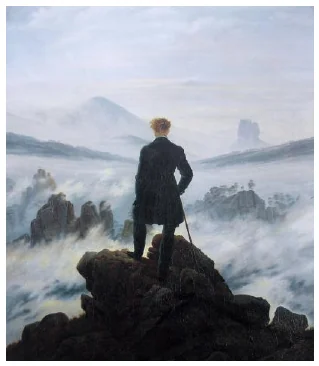
Contrary to our intuition, nostalgia came from medicine, not from poetry or politics. Among the first victims of the newly diagnosed disease were various displaced people of the seventeenth century, domestic help and servants working in France and Germany and Swiss soldiers fighting abroad. Nostalgia was said to produce “erroneous representations” that caused the afflicted to lose touch with the present. Longing for their native land became their single-minded obsession. The patients acquired “a haggard countenance,” and “indifference towards everything,” confusing real and imaginary events.
Nostalgia as a historical emotion came of age at the time of Romanticism and is coeval with the birth of mass culture. It began with the early-nineteenth-century memory boom that turned the salon culture of educated urban dwellers into a ritual commemoration of lost youth, lost springs, lost chances. With the perfection of album art, the practice of writing poems, drawing pictures and leaving dried flowers in a lady's album, every flirtation was on the verge of becoming a memento mori. Artificial nature begins to play an important part in the European imagination since the epoch of baroque - the word itself signifies a rare shell. In the middle of the nineteenth century a fondness for greenhouses and aquariums became a distinctive feature of the bourgeois home; it was a piece of nature transplanted into the urban home, framed and domesticated. What was cherished was the fossil, the ruin, the miniature, the souvenir. The melancholic sense of loss turned into a style, a late nineteenth-century fashion.
Svetlana Boym. The Future of nostalgia. 2001. Adaptado.
Considerando o texto, a valorização, pela burguesia oitocentista, de estufas, aquários, ruínas e miniaturas sugere
- Aum entusiasmo irrestrito pelo avanço industrial e pela expansão das metrópoles oitocentistas.
- Bum retorno efetivo ao modo de vida rural como reação às transformações econômicas.
- Cuma crítica às elites letradas responsáveis pela difusão de álbuns e recordações amorosas.
- Dum abandono das artes visuais em favor de práticas científicas experimentais.
- Euma tentativa de recriar fragmentos idealizados do mundo natural e do passado.