Unesp 2019 (Vestibular 2019 · 2ª fase) · questão 35
Questão 35 Unesp 2019 · Vestibular 2019 · 2ª fase: Interpretação de texto
Leia o texto para responder, em português, às questões 35 e 36.
Medi-evil: the monstrous middle ages
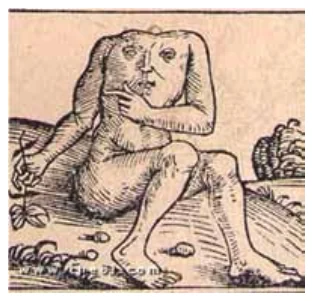
“Blemmyae” from the Nurenberg Chronicle (1493). (www.theoi.com)
Monsters are still everywhere. Godzilla keeps stomping through silver-screen cities, zombies lurch through eight seasons of the TV series “The Walking Dead” and the vampires of “Twilight” nibble necks across thousands of pages of the book series by Stephanie Meyer.
But those looking for some historical context should head to the Morgan Library and Museum in New York to see around 70 works (such as illuminated manuscripts) from the 9th to the 16th century that show how ogres of the imagination have always inspired terror and wonder. In a time when the distant was unknowable, they filled the gaps. Almost always from afar, the monster was a substitute for those perceived to stray from the norm.
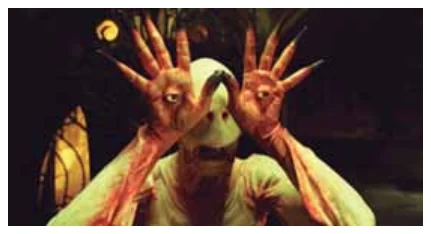
Pale Man in Pan’s Labyrinth. (www.cinematropical.com)
Keep your eyes peeled for a perennial medieval favourite, the Blemmyae: disgusting headless humanoids with their faces transplanted onto their chests. These were quite possibly the inspiration for Guillermo Del Toro’s Pale Man in the film Pan’s Labyrinth (2006) – a horrifying fellow whose eyeballs peer out abjectly from his clawed hands.
(https://espresso.economist.com, 09.06.2018. Adaptado.)
a) De acordo com o texto, cite dois exemplos de monstros que ocorrem em obras contemporâneas.
b) De acordo com o texto, que tipo de sensação os monstros Blemmyae despertam? Por que os Blemmyae podem ter sido a inspiração para a criação do Homem Pálido no filme O labirinto do fauno (2006)?